When Will I Feel Like Myself Again?
"When will I feel like myself again?" It's one of the most common questions mothers ask after having a baby. Sometimes it's asked in the first few weeks of teary, exhausted postpartum. Other times it surfaces months or even years later, after the newborn stage has passed and life has settled into a new rhythm. Beneath the question is often a longing for something familiar, you. The “you” before motherhood changed everything.
As a cliche answer from a therapist, there may not be a simple answer. Not because there is no hope, but because motherhood changes us in ways that are profound, and you just can’t put your finger u. We tend to talk about the physical changes of pregnancy and childbirth, but we spend far less time talking about the psychological, emotional, relational, and neurological transformation that accompanies becoming a mother. There is actually a word for this process: matrescence.
Coined by anthropologist Dana Raphael in the 1970s, matrescence describes the developmental transition into motherhood. It's often compared to adolescence, and for good reason. Just as adolescence involves hormonal shifts, brain changes, identity development, changing relationships, and a reorganization of how a person understands themselves in the world, matrescence involves many of those same processes. Yet while adolescence is widely recognized and studied, matrescence remains largely absent from public conversation.
Earlier this year, the parenting app Peanut and baby brand Tommee Tippee launched a campaign advocating for greater recognition of the term. They took out a full-page ad in The New York Times that read, "IDGAF is in the dictionary. Matrescence isn't." The statement was humorous, but it highlighted a real problem. We have language for countless cultural phenomena, slang terms, and internet acronyms, yet many people have never heard the word that describes one of the most significant developmental transitions in a woman's life.
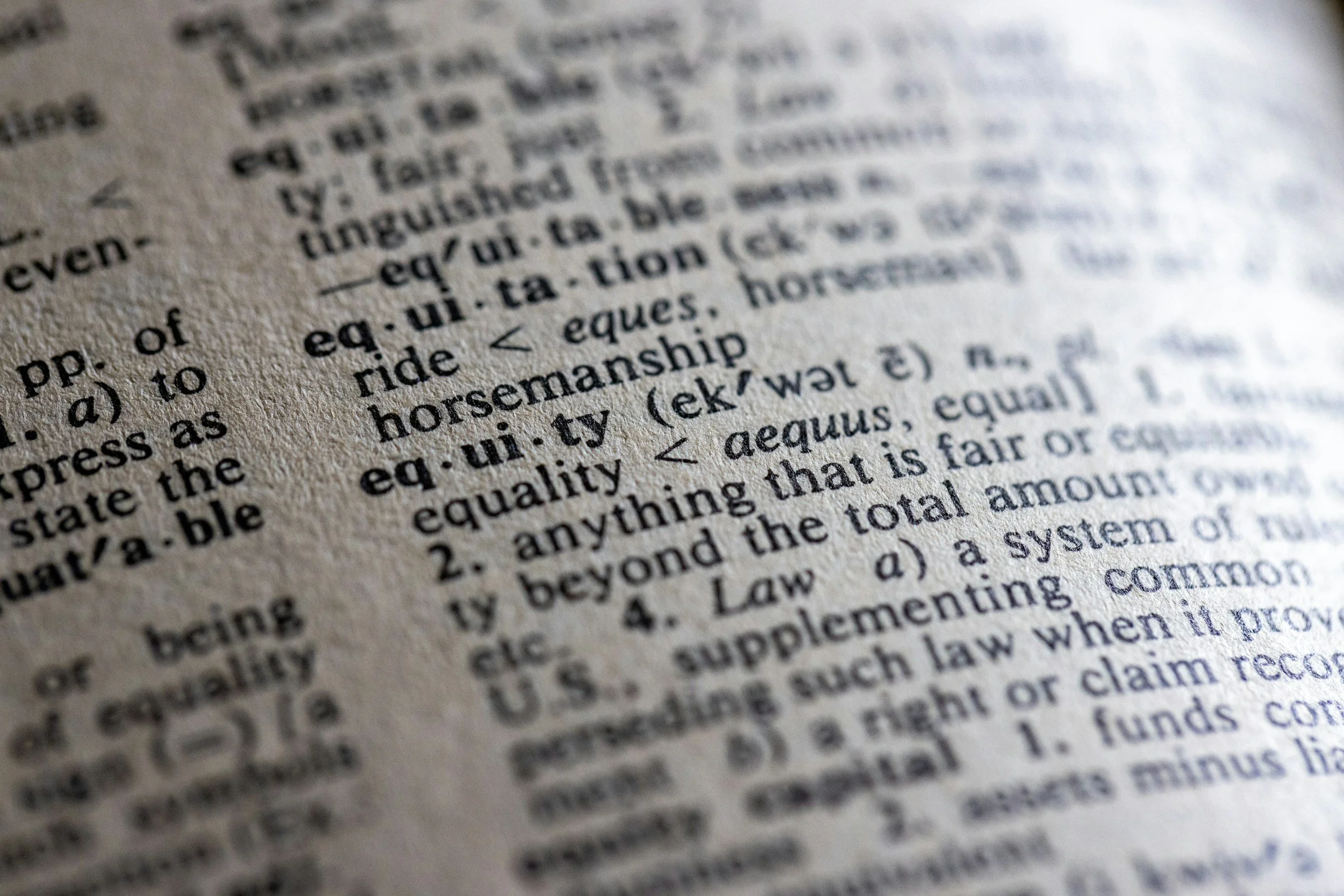
"IDGAF is in the dictionary. Matrescence isn't."
In fact, if you type "matrescence" into your phone, it will often try to autocorrect it to "mattress," or simply respond with "no replacement found." Can we just point out the irony in that? Millions of mothers are undergoing a massive identity transformation, and our technology is saying, "Sorry, we don't know what that is." Mothers often find themselves navigating a profound life transition without language, frameworks, or adequate support to help make sense of what they're experiencing. And when we can’t name it outwardly, we sometimes blame ourselves (and/or our partners).
Part of the reason matrescence deserves more attention is that science is only beginning to catch up with what mothers have always known intuitively: becoming a mother changes your brain. While adolescent brain development has been extensively researched for decades, the study of the maternal brain is remarkably young by comparison. It wasn't until 2009 that researchers began using neuroimaging to understand what happens in the brain during pregnancy and postpartum.
What they discovered is fascinating (I’m going to nerd out a bit here). The maternal brain undergoes significant remodeling, including a process known as synaptic pruning. Synapses are the connections between neurons, and pruning helps the brain become more efficient by strengthening certain pathways while reducing others. It is a normal and healthy developmental process that also occurs during adolescence. In motherhood, these changes appear to support caregiving, emotional attunement, social connection, and the ability to respond to a baby's needs. In other words, your brain is not simply recovering after birth. It is adapting.
At the same time, your life is adapting too. Your schedule changes. Your relationships change. Your body changes. Your priorities shift. The things that once felt urgent may no longer feel important, while concerns you never previously considered can suddenly take center stage. I use to stop and wonder “what did I use to worry about before my kids?”. Some friendships deepen, while others become more distant. Partnerships evolve. Career aspirations may change. Even the way you spend a quiet Saturday afternoon can look completely different than it did before children.

“It assumes there is a previous version of yourself waiting to be recovered.”
This is why the question "When will I feel like myself again?" can be so complicated. It assumes there is a previous version of yourself waiting to be recovered. But what if the discomfort comes not from being lost, but from being in transition? What if the feeling of unfamiliarity is evidence that you are growing into a new version of yourself?
We readily accept that adolescents will emerge from puberty as different people than they were before. We expect identity shifts, emotional ups and downs, changing interests, and evolving relationships. Yet when it comes to motherhood, there is often an unspoken expectation that women should somehow return to who they were before. We talk about getting your body back, your routine back, your sleep back, your life back. But perhaps "back" is the wrong direction.
I often think about this in terms of gardening. Every year, when I prune my flower bushes, they look sparse and unfamiliar afterward. The shape changes, and I definitely take deep breaths before I build the courage to prune them back. Branches that once seemed essential are cut away. For a period of time, the bush looks less like itself than before. But pruning isn't destruction. It's a process that creates room for growth. Over time, the flowers bloom again, often fuller, healthier, and more vibrant than they were before. They're still the same plant. Their roots remain intact. But they have adapted and grown.
The process of matrescence can feel similar. The neurological pruning occurring in the brain and the emotional pruning occurring in life can feel unsettling while it's happening. Certain identities, routines, expectations, and priorities may no longer fit. Yet that does not mean you have lost yourself. It may mean you are making room for growth.
So when will you feel like yourself again? Perhaps the better question is: Which version of yourself are you looking for? The woman you were before motherhood has shaped who you are today, but motherhood itself becomes part of your identity too. The goal may not be to return to a previous version of yourself, but to understand, accept, and nurture the person you are becoming.
Matrescence reminds us that becoming a mother is not a single event. It is a process. A developmental transition. A transformation. And like all meaningful transformations, it deserves to be seen, understood, and talked about far more than it currently is.